



Sympathy Hearts
Heartfelt Funeral Flower Arrangements: A Guide to Comfort
Honor your loved ones with heartfelt funeral flower arrangements that offer both beauty and comfort. Discover tips for selecting the perfect tribute today.
Understanding the Role of Flowers in Funerals
Flowers have long held a significant place in funeral traditions across cultures and religions. They serve as symbols of love, respect, and remembrance, offering a visual representation of our feelings during a time of loss. The beauty and fragility of flowers mirror the transient nature of life, making them a poignant addition to funeral services. They help create an atmosphere of reverence and peace, and their presence can be a comforting sight for grieving families and friends.
Moreover, flowers can convey messages that words often fail to express. Each type of flower carries its own meaning and sentiment, allowing the bereaved to communicate their emotions in a tangible form. For instance, lilies are often associated with purity and the restored innocence of the soul, whereas roses symbolize enduring love and respect. By selecting specific flowers, mourners can pay a subtle yet profound tribute to the deceased.
In addition to their symbolic meanings, flowers also play a practical role in funerals. They can transform a somber environment into one of serene beauty, providing a sense of solace and tranquility. Floral arrangements can be placed in various locations, such as the casket, gravesite, or memorial table, enhancing the overall aesthetic of the service. This visual appeal not only honors the departed but also offers comfort to those who are mourning.
Types of Flowers Commonly Used in Funeral Arrangements
When it comes to funeral flower arrangements, certain types of flowers are traditionally favored for their symbolic meanings and aesthetic qualities. Lilies, for example, are one of the most popular choices for funerals. Their elegant, white blooms symbolize the restored innocence of the soul of the deceased, making them a fitting tribute for a loved one who has passed away. Lilies also have a calming presence, which can be quite comforting during a time of grief.
Roses are another common choice for funeral arrangements. These flowers are available in various colors, each carrying its own significance. Red roses symbolize love and respect, making them an ideal choice for expressing deep affection for the deceased. White roses represent purity and innocence, suitable for honoring someone who lived a virtuous life. Yellow roses convey friendship and can be used to celebrate the bond shared with the departed.
Carnations, chrysanthemums, and orchids are also frequently used in funeral arrangements. Carnations, with their long-lasting blooms, symbolize admiration and remembrance. Chrysanthemums, depending on the culture, can represent death and mourning or truth and honesty. Orchids, especially white and pink varieties, denote eternal love and beauty, making them a graceful addition to any funeral service. By understanding the meanings behind these flowers, you can select an arrangement that truly reflects your sentiments.
Choosing the Right Funeral Flower Arrangement
Selecting the right funeral flower arrangement involves more than just picking the prettiest blooms. It requires careful consideration of the deceaseds personality, your relationship with them, and the type of service being held. Start by reflecting on the preferences and tastes of your loved one. Did they have a favorite flower or color? Incorporating these personal touches can make the arrangement more meaningful and reflective of their unique life.
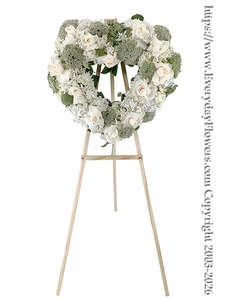
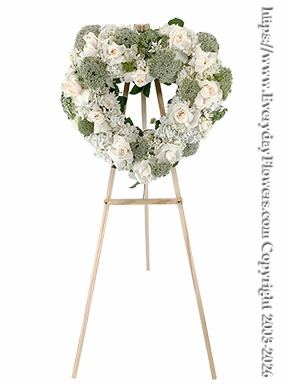
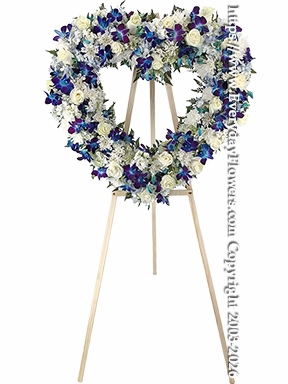
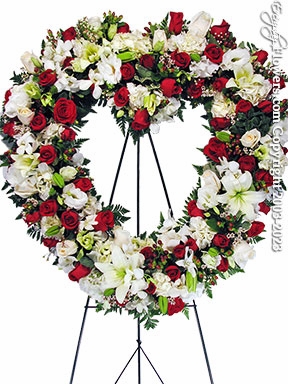
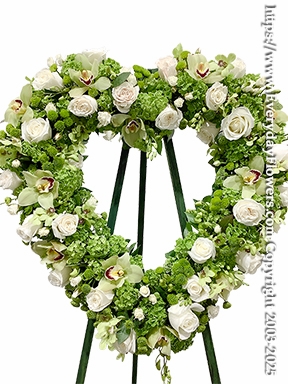
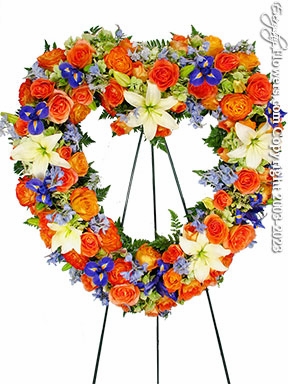
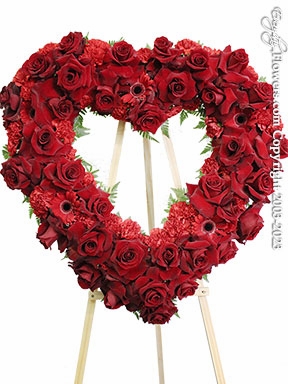
Consider the type of funeral service when choosing the arrangement. For a traditional funeral, classic arrangements like wreaths, sprays, and casket blankets are appropriate. Wreaths are circular, symbolizing eternal life, and are often displayed on stands. Sprays can be placed on the casket or as standing arrangements. Casket blankets cover the top of the casket and are a beautiful way to honor the deceased. For a more modern or informal service, you might opt for smaller, personalized arrangements or even potted plants that can be taken home and cared for as a lasting tribute.
The size and style of the arrangement should also be considered. Larger arrangements may be suitable for public services with many attendees, while smaller, more intimate bouquets might be appropriate for private family gatherings. Additionally, think about the setting of the funeral. Outdoor services might benefit from sturdier flowers that can withstand the elements, whereas indoor services allow for more delicate blooms. By taking these factors into account, you can choose a funeral flower arrangement that is both beautiful and appropriate for the occasion.
Traditional vs. Modern Funeral Flower Arrangements
The choice between traditional and modern funeral flower arrangements often depends on the personal preferences of the deceased and their family, as well as the tone of the funeral service. Traditional arrangements, such as wreaths, standing sprays, and casket blankets, are timeless and universally recognized symbols of mourning and respect. These arrangements tend to feature classic flowers like lilies, roses, and carnations, which carry deep, historical meanings.
Modern funeral flower arrangements, on the other hand, offer a more contemporary approach to honoring the deceased. These arrangements might include unconventional flower choices, bold color schemes, and unique designs that reflect the personality and interests of the departed. For instance, succulent plants or tropical flowers can be used in modern arrangements to create a distinctive and memorable tribute. This approach is particularly suitable for individuals who had a flair for creativity or a love for modern aesthetics.
The decision between traditional and modern arrangements also affects the overall mood of the funeral service. Traditional arrangements often evoke a sense of solemnity and reverence, providing a comforting familiarity during a time of loss. Modern arrangements can bring a touch of individuality and celebration of life, which can be uplifting for those who are grieving. Ultimately, the choice should align with the wishes of the deceased and their loved ones, creating a fitting and heartfelt tribute.
Personalizing Your Flower Arrangement for the Deceased
Personalizing a funeral flower arrangement is a thoughtful way to honor the unique life and personality of the deceased. Start by considering their favorite flowers, colors, and overall style preferences. Incorporating these elements can make the arrangement more meaningful and reflective of their individuality. For example, if the deceased loved sunflowers, including them in the arrangement can be a beautiful tribute to their sunny disposition.
Adding personal touches to the arrangement can also create a deeper connection. Consider including items that were significant to the deceased, such as a small photograph, a ribbon with their favorite color, or a charm that represents their hobbies or passions. These additions can make the arrangement more personalized and special, serving as a poignant reminder of the life they lived. Additionally, you can include flowers that symbolize specific traits or memories associated with the deceased.
You can also personalize the arrangement by considering the theme or tone of the funeral service. If the service is meant to be a celebration of life, opt for vibrant and cheerful blooms that reflect joy and positivity. If the service is more traditional and solemn, choose flowers that convey respect and remembrance. By tailoring the arrangement to the deceased's personality and the nature of the service, you can create a heartfelt tribute that resonates with all who attend.
Tips for Ordering Funeral Flowers
Ordering funeral flowers requires careful planning and consideration to ensure that the arrangements are both beautiful and timely. Start by selecting a reputable florist who specializes in funeral arrangements. Look for reviews and recommendations to find a florist with a strong track record of quality and reliability. Communicate your needs clearly, providing details about the deceased, the type of service, and any specific preferences for flowers and colors.
Timing is crucial when ordering funeral flowers. Ideally, place your order as early as possible to give the florist ample time to prepare the arrangement. Be sure to confirm the delivery date and time, ensuring that the flowers will arrive well before the service begins. This allows for any last-minute adjustments and ensures that the arrangements are fresh and in perfect condition for the funeral.
Budget is another important consideration when ordering funeral flowers. Funeral arrangements can vary significantly in cost, so it's essential to have a clear idea of your budget before placing an order. Discuss pricing with the florist and explore different options to find an arrangement that fits your budget while still honoring the deceased in a meaningful way. Many florists offer packages or customizable options that can help you achieve the desired effect without overspending.
Caring for Funeral Flowers: What to Expect
Caring for funeral flowers involves a few key steps to ensure they remain fresh and beautiful throughout the service and beyond. Upon receiving the arrangements, inspect them for any signs of damage or wilting. If you notice any issues, contact the florist immediately for replacements or adjustments. Proper care starts with placing the flowers in a cool, shaded area away from direct sunlight and drafts, which can cause them to deteriorate more quickly.
Hydration is essential for keeping funeral flowers fresh. Ensure that any arrangements in vases have an adequate water supply, and check the water level regularly. For arrangements like wreaths or sprays, misting them lightly with water can help maintain their freshness. Some florists may provide floral food or preservatives, which can be added to the water to extend the lifespan of the flowers.
After the funeral service, you may want to keep the flowers as a lasting tribute. Consider repurposing them into smaller arrangements or pressing individual blooms to create keepsakes. If you plan to keep potted plants or arrangements with long-lasting flowers, follow the specific care instructions provided by the florist to ensure they continue to thrive. Caring for funeral flowers can be a therapeutic way to honor the memory of the deceased and keep their presence close.
Alternative Sympathy Gifts Beyond Flowers
While flowers are a traditional and beautiful way to express sympathy, there are many alternative gifts that can also offer comfort and support to those who are grieving. Consider giving a memorial tree or plant that can be nurtured and grown over time. This living tribute can bring a sense of ongoing connection and remembrance, providing a lasting symbol of the deceased's life and legacy.
Other thoughtful gifts include personalized memorial items such as engraved keepsakes, photo albums, or custom jewelry. These items can be cherished for years to come and serve as tangible reminders of the loved one who has passed away. Books on grief and healing can also be a valuable resource, offering guidance and comfort during the difficult mourning process. Select titles that resonate with the recipient's beliefs and needs.
Donations to a charity or cause that was important to the deceased can be another meaningful way to honor their memory. This gesture not only reflects the values and passions of the departed but also makes a positive impact in their name. Consider supporting organizations that align with the interests of the deceased, whether it's a local animal shelter, a medical research foundation, or an environmental group. By choosing these alternative sympathy gifts, you can offer comfort and support in a heartfelt and enduring manner.
How to Write a Thoughtful Message for Flower Arrangements
Writing a thoughtful message for funeral flower arrangements can be a challenging task, as it requires conveying deep emotions in a few concise words. Start by reflecting on your relationship with the deceased and the sentiments you wish to express. Keep the message sincere and heartfelt, focusing on the qualities and memories that made the individual special. Personal anecdotes or specific attributes can make the message more meaningful.
When crafting your message, consider using phrases that offer comfort and support to the grieving family. Acknowledge their loss and express your condolences, while also celebrating the life of the deceased. Phrases like "In loving memory," "Forever in our hearts," or "With deepest sympathy" are classic and appropriate for funeral flower messages. You can also include a line that reflects your personal connection, such as "Your kindness and warmth will never be forgotten."
It's important to keep the message brief, as space on the card will be limited. Aim for a few sentences that capture your feelings without overwhelming the recipient. If you find it difficult to write the message, consider seeking inspiration from poems, quotes, or religious texts that resonate with your sentiments. Ultimately, the goal is to offer a message that provides comfort and honors the memory of the deceased in a genuine and compassionate manner.
Finding Comfort Through Floral Tributes
Funeral flower arrangements are a powerful way to honor and remember our loved ones, offering both beauty and comfort during a time of loss. Understanding the role of flowers in funerals, choosing the right arrangement, and personalizing it to reflect the deceased's unique life can create a heartfelt tribute that resonates with all who attend. Whether opting for traditional or modern designs, the thoughtful selection and care of these arrangements can bring solace to grieving hearts.
Beyond flowers, alternative sympathy gifts can also provide meaningful support and remembrance, from memorial trees to personalized keepsakes. Writing a thoughtful message for flower arrangements further enhances the emotional impact, offering words of comfort and celebration of life. By considering these elements, you can create a tribute that honors the deceased and offers comfort to those left behind.
Ultimately, finding comfort through floral tributes is a timeless practice that allows us to express our love and respect in a beautiful and meaningful way. Whether through the elegance of lilies, the enduring love of roses, or the unique touches of personalized arrangements, these floral gestures help us navigate the difficult journey of grief, providing a visual and emotional connection to the cherished memories of our loved ones.
